
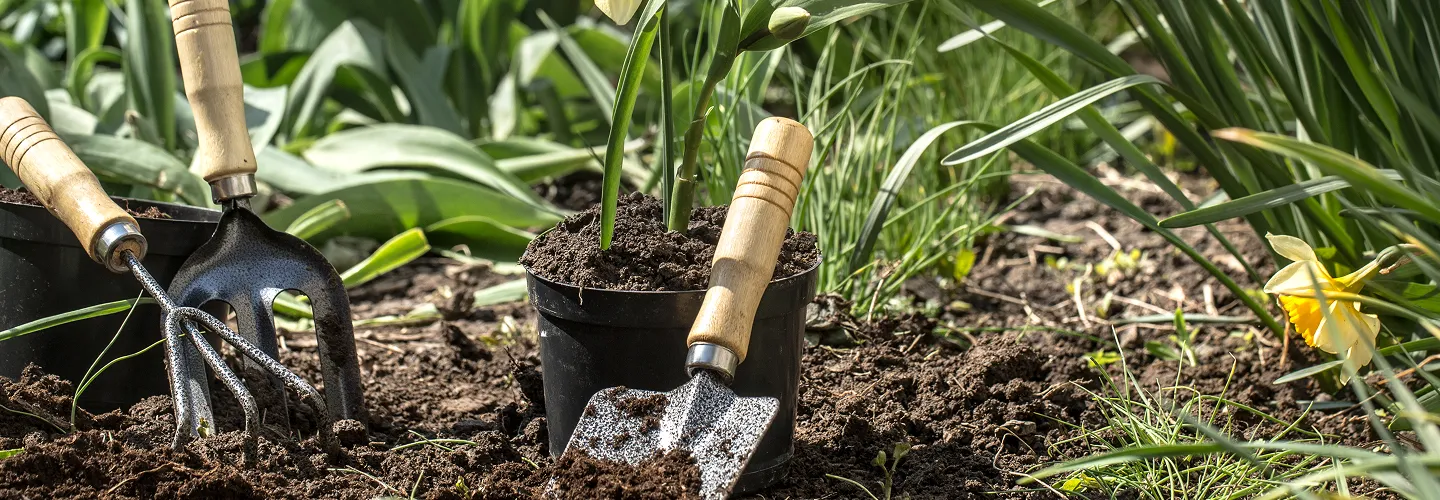
Magnolia Flower Planting Services
Choose our expert flower planting services for healthy, vibrant magnolias that thrive in your landscape—enjoy professional care, personalized planting plans, and lasting beauty for your outdoor space.
Get a Free QuoteOur Magnolia Landscaping & Yard Care Services
When to Schedule Flower Planting in Magnolia, Texas – Seasonal Guide
In Magnolia, Texas, timing your flower planting is crucial for vibrant, long-lasting blooms. The region’s climate features mild winters and hot, humid summers, making early spring and late fall the most favorable periods for planting. Local neighborhoods like Westwood and Lake Windcrest often see homeowners preparing their gardens in late February through April, just after the last frost date, or in October when temperatures begin to cool. Magnolia’s sandy loam soils drain well but can dry out quickly, so it’s important to consider both soil moisture and the risk of late spring droughts.
Environmental factors such as shade from mature oaks in communities near Unity Park, or the higher humidity levels along Mill Creek, can influence which flowers thrive and when to plant them. Always check for municipal watering restrictions and consult resources like the Sudbury town website for updates on local guidelines. By understanding Magnolia’s unique landscape and weather patterns, you can ensure your flower beds flourish throughout the season.
Local Factors to Consider for Flower Planting in Magnolia
- Proximity to large trees and resulting shade coverage
- Soil type and drainage, especially in areas with sandy loam
- Average last frost date (typically late February)
- Risk of drought during late spring and summer
- Humidity levels, particularly near creeks or low-lying areas
- Terrain variations, such as sloped yards or flood-prone zones
- Municipal watering restrictions and seasonal guidelines
Benefits of Flower Planting in Magnolia
Expert Landscaping Design
Seasonal Flower Selection
Enhanced Curb Appeal
Eco-Friendly Planting Practices
Low Maintenance Solutions
Increased Property Value
Magnolia Flower Planting Types

Evergreen Magnolia Planting
-
Deciduous Magnolia Planting
-
Container Magnolia Planting
-
Specimen Magnolia Planting
-
Hedge Magnolia Planting
-
Mixed Border Magnolia Planting
-
Foundation Magnolia Planting
Our Flower Planting Process
Site Evaluation
Soil Preparation
Plant Selection
Careful Planting
Watering and Mulching
Why Choose Magnolia Landscape Services
-
Magnolia Homeowners Trust Us
-
Expert Lawn Maintenance
-
Reliable Scheduling
-
Competitive Pricing
-
Professional Team
-
Satisfaction Guarantee
-
Personalized Service
Soil Series and Drainage Considerations for Flower Planting in Magnolia
Flower planting in Magnolia requires careful attention to the city’s predominant soil types, which include the Katy fine sandy loam and the Wockley fine sandy loam, as identified by the USDA Web Soil Survey. These soils are moderately well-drained but can exhibit compaction in developed areas, with pH levels typically ranging from 6.0 to 7.5. For optimal root development, it is recommended to incorporate 2-3 inches of compost tilled to a 6-inch depth. Soil testing is available through the Texas A&M AgriLife Extension for a typical fee of $15-25. Key soil amendment practices include:
- Lime application for pH below 6.0
- Sulfur for pH above 7.5
- Compost incorporation: 2-3 inches tilled to 6-inch depth
Magnolia’s Flower Planting Timing and Local Climate Zone Guidance
Magnolia is situated in USDA Hardiness Zone 8b, with average annual minimum temperatures of 15-20°F. The optimal window for planting most perennial flowers is from March 1 to April 15, when soil temperatures reach 55°F. Fall planting is also effective from October 1 to November 15, before the first frost. The National Weather Service Houston/Galveston Office provides up-to-date local forecasts to guide planting schedules. Timing recommendations include:
- Spring planting: March 1 – April 15 (soil temp 55°F+)
- Fall planting: October 1 – November 15 (before first frost)
- Avoid planting June-August due to heat stress
Native and Recommended Flower Species for Magnolia’s Microclimate
Selecting appropriate species is essential for successful flower planting in Magnolia’s climate and soils. Native and adapted perennials such as Black-eyed Susan (Rudbeckia hirta), Gulf Coast penstemon (Penstemon tenuis), and Texas lantana (Lantana urticoides) are well-suited to local conditions. For shaded areas, consider Turk’s cap (Malvaviscus arboreus var. drummondii) and woodland phlox (Phlox divaricata). Deer-resistant options include Russian sage (Perovskia atriplicifolia) and salvia (Salvia farinacea). Recommended spacing is 12-18 inches for most perennials. Species recommendations:
- Full sun: Black-eyed Susan, Texas lantana, coneflower
- Partial shade: Turk’s cap, woodland phlox
- Deer resistant: Russian sage, salvia
- Native options: Gulf Coast penstemon, cardinal flower
Municipal Coordination and Compliance for Flower Planting Projects in Magnolia
All flower planting activities in Magnolia must comply with city ordinances regarding landscape maintenance, buffer zones, and equipment operation. The City of Magnolia restricts commercial landscaping equipment operation to:
- Monday-Friday: 7:00 AM – 7:00 PM
- Saturday: 8:00 AM – 6:00 PM
- Sunday and holidays: Prohibited Landscape debris must be disposed of through the city’s weekly yard waste collection, held every Thursday from April through November. Only biodegradable bags or 32-gallon containers are accepted; plastic bags and branches over 4 inches in diameter are prohibited. For questions on compliance or collection schedules:
City of Magnolia Public Works Department
18111 Buddy Riley Blvd, Magnolia, TX 77354
Phone: (281) 356-2266
Official Website: City of Magnolia Public Works Department
Environmental Regulations and Stormwater Protection in Magnolia Flower Planting
Flower planting near Magnolia’s streams, wetlands, and drainage ditches must adhere to buffer requirements and stormwater regulations. The Texas Commission on Environmental Quality (TCEQ) enforces MS4 stormwater permits, prohibiting soil, mulch, or plant debris from entering storm drains. Maintain a 25-foot no-disturbance buffer from wetlands and a 50-foot setback from open water bodies. Fertilizer and pesticide applications are restricted within 50 feet of water features. Compliance steps include:
- Maintain 25-foot buffer from wetlands
- No fertilizer/pesticide within 50 feet of water bodies
- Prevent debris from entering storm drains (MS4 compliance) For further guidance, consult:
Texas Commission on Environmental Quality
12100 Park 35 Circle, Austin, TX 78753
Phone: (512) 239-1000
Official Website: Texas Commission on Environmental Quality
What Neighborhoods Do We Serve Throughout Magnolia, TX?
- Westwood North: Features large lots with sandy loam soils and moderate drainage, requiring soil amendment for moisture retention and regular mulching to prevent weed growth.
- Magnolia Ridge: Newer development with compacted fill soils and HOA landscaping standards; flower planting must address compaction and adhere to community guidelines.
- Durango Creek: Proximity to Mill Creek and floodplain areas necessitates careful buffer maintenance and selection of flood-tolerant species.
- Timberloch Estates: Mature tree canopy creates partial shade and leaf litter accumulation, favoring shade-tolerant perennials and regular debris management.
- Lake Windcrest: Larger properties near water features require strict compliance with buffer zones and stormwater protection measures.
- Magnolia Town Center: Urban soils with higher compaction and limited green space; container planting and soil remediation are often necessary.
- Mostyn Manor: Gently sloping lots with mixed sun and shade, requiring tailored plant selection and attention to runoff management.